Why Our Neighborhoods Need this.
According to FEMA’s National Risk Index, Monte Rio and Villa Grande fall in the second highest risk category based on a federal analysis of natural hazards, expected annual loss, social vulnerability, and community resilience.
The NRI uses federal census data, among other sources, to assess risk, but it doesn’t take into account all the vacationers who stay in our communities — and have no plans for how to handle a disaster here.
Community Characteristics
According to the 2020 U.S. Census, almost 3,000 people live in the Monte Rio and Villa Grande census tracts.
Of Our 3,000 residents:

Nearly 1-in-5 is disabled
More than 1-in-3 is over 65

140 households don’t own a smartphone
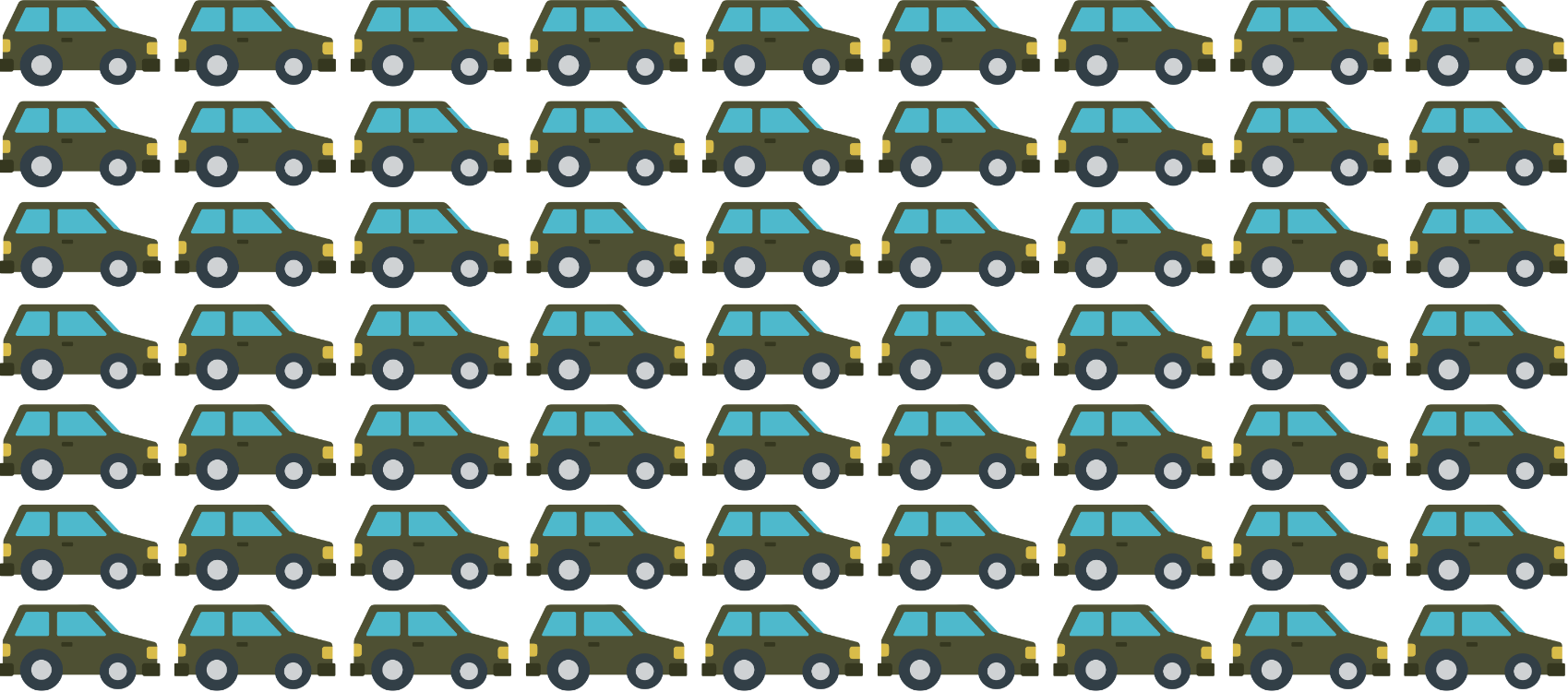
63 households don’t own a Vehicle
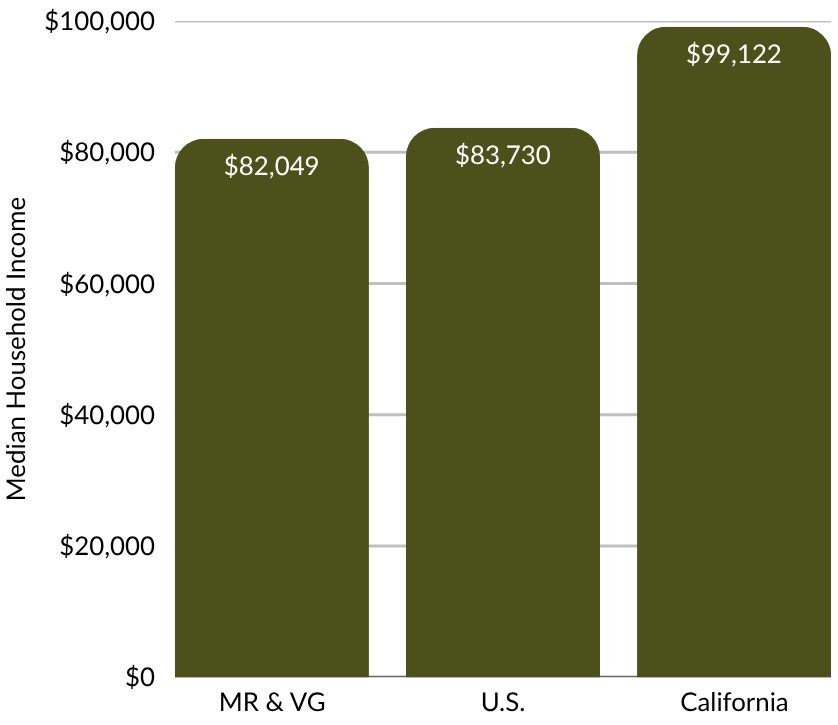
Median Household Income is lower than both the U.S.’ and California’s
And our neighborhoods host:
107
Vacation Rental Properties
That Sleep As Many as…

672

Visitors
That’s an increase of
22%*
Over our year-Round population
*without counting the summer campground that sleeps 2,500
Sources: U.S. Census Bureau and Permit Sonoma
“Vulnerability is not a fixed characteristic of an individual or a group. Rather, it is a fluid state defined by timing, the hazard at hand, circumstances, and access to different types of capital.
Someone who is ‘mobility impaired’ – for example, an individual with a broken leg – may be vulnerable to not getting out of harm’s way of an encroaching flood, but may be well-equipped to find stable housing and economic security in the flood’s wake. In this case, the vulnerability is associated with a temporary lack of physical capital, whereas her resilience is associated with access to economic capital.”